


Avançar
ARCHEO-SITE


ARCHEO-SITE
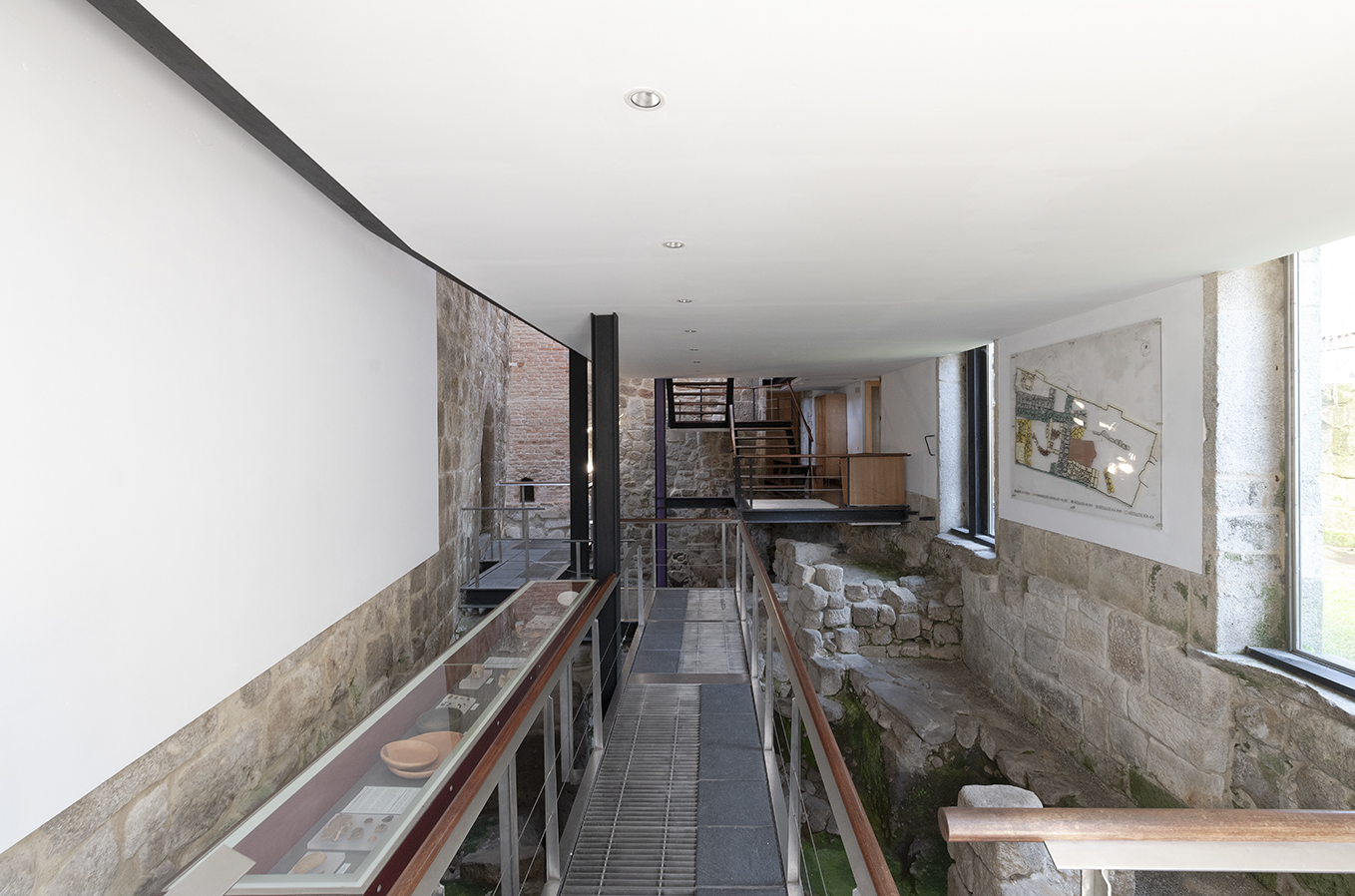
A site very near the Sé neighbourhood, preserves the longest stratigraphic sequence that demonstrates human occupation in Porto. The vestiges pay testimony to the long diachronic evolution of the urban settlement, which dates back to the first millennium BC.
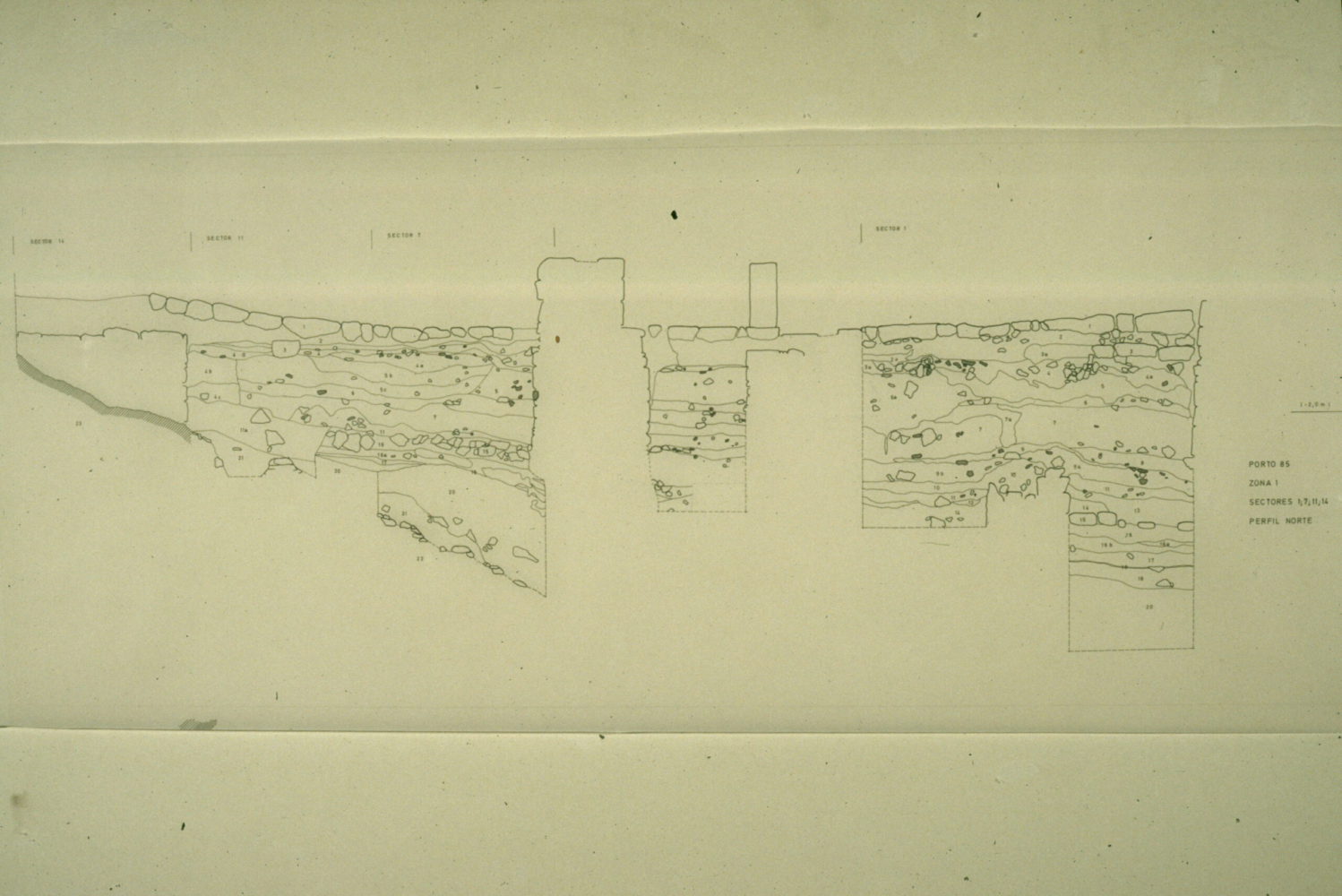
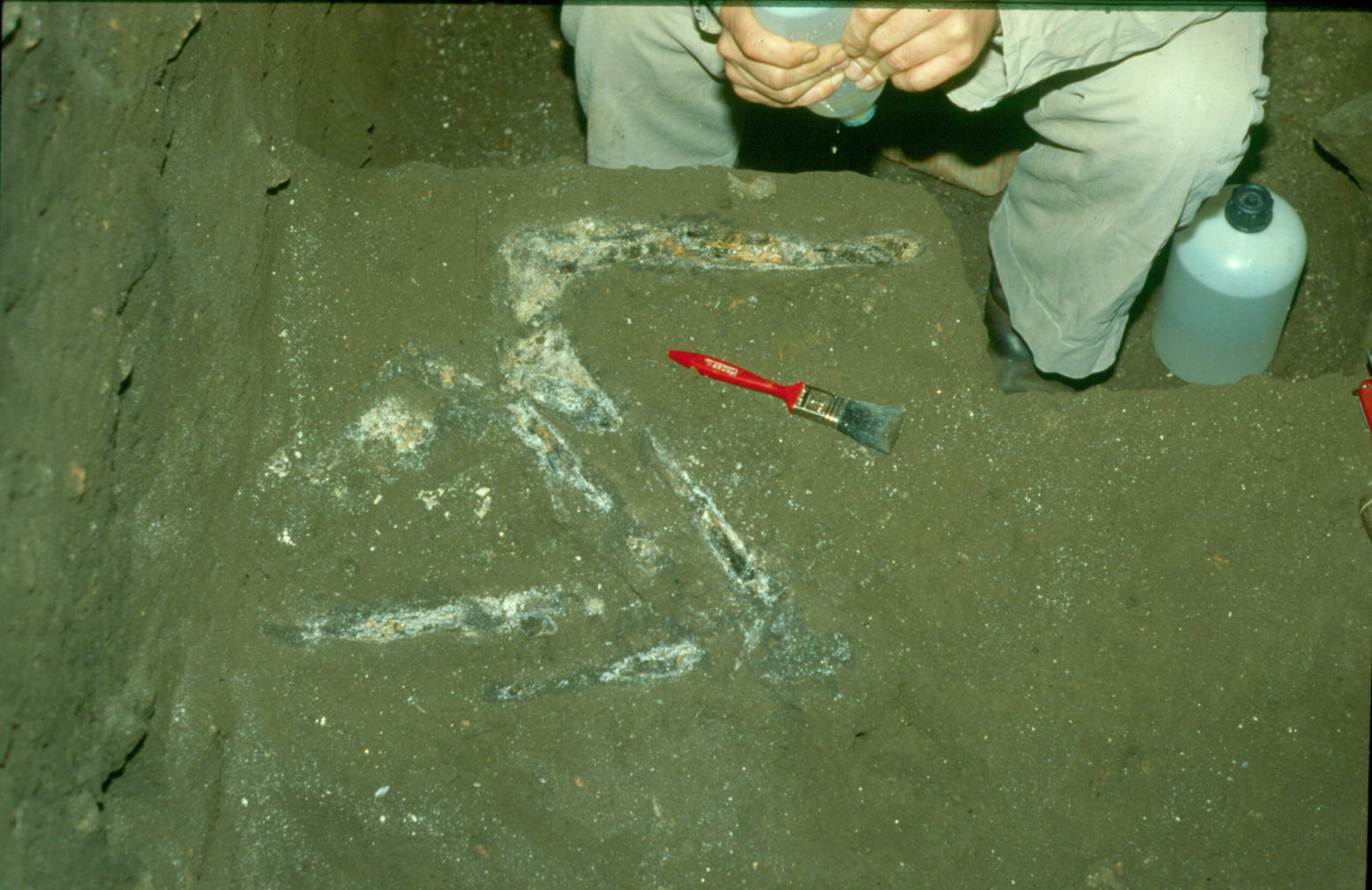
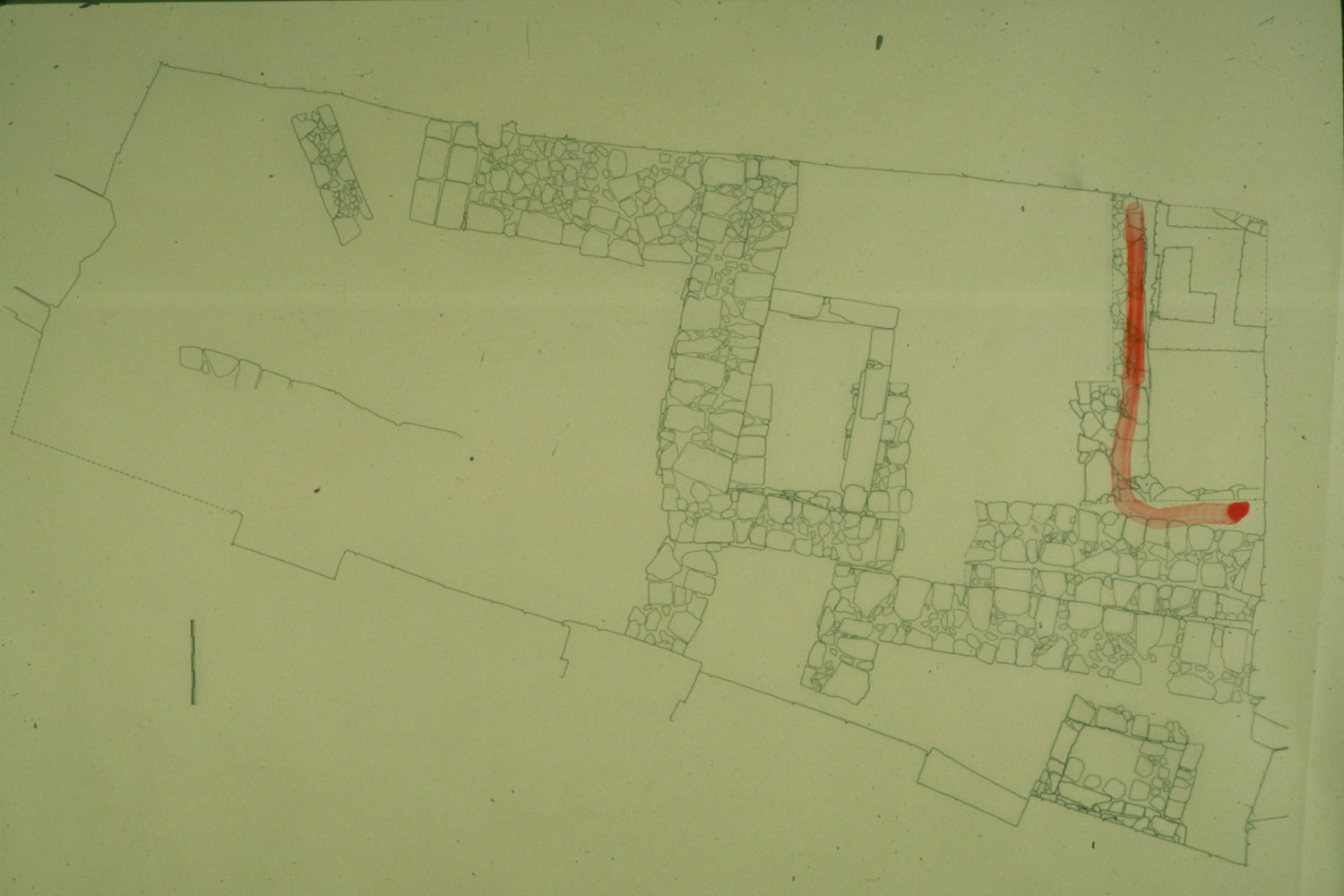
Twenty different archaeological strata have been detected in a section only three meters deep. This includes architectural ruins and remains from the 5th/4th century BC until the present day. The archaeological dig in 1984-87 provided key knowledge about the city’s history. This was the first time that vestiges were identified of the proto-historic pre-Roman fort (the castro), and the Roman settlement (Cale) that succeeded it, and also of the Suevo-Visigothic period, followed by the High Middle Ages, when Portucale was elevated to a diocese (in the late sixth century AD). The stratigraphic evidence and the chronological sequencing of the remains has made it possible to enhance the archaeological site for public enjoyment.
Station 9 of the Porto City Museum the Archeo-site is currently undergoing restoration works and will soon be reopened to the public, as a place to visit and contemplate, and also a space for the production of knowledge, including a study and documentation centre dedicated to urban archaeology.
Endereço
Rua de D. Hugo, 5, 4050-305 Porto
Autocarro
202, 207, 303, 400, 500, 900, 901, 904, 905, 906, ZH 22, 9M 11M, 8M, 201
Metro
S. Bento
Estacionamento
Duque de Loulé, Praça das Cardosas
Eixos
MATERIAL
SONIC